

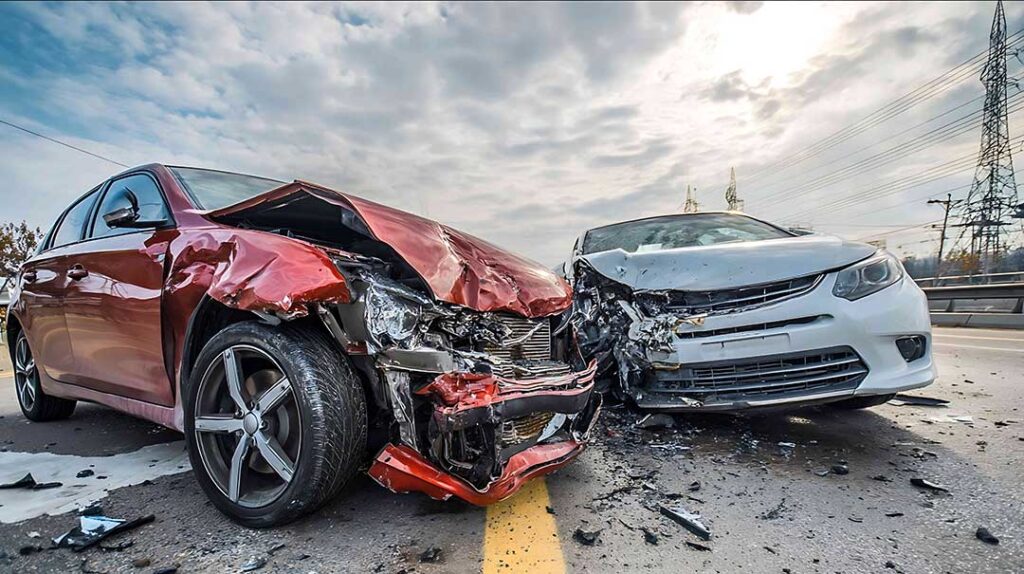
A collision can leave people shaken, confused, and unsure what to do next. The first priorities are safety, emergency care, accurate documentation, and compliance with Texas law. Decisions made during the first few minutes—and during the days that follow—can affect medical treatment, insurance claims, and the ability to explain what happened.
What should you do first after a car accident?
First, check for immediate danger and injuries. If anyone may be seriously hurt, call 911, request medical help, and follow the dispatcher’s instructions.
If the vehicles are creating a traffic hazard and can be moved safely, relocate them to a safer nearby position. Texas guidance generally requires drivers to move a vehicle out of the flow of traffic when it can be driven safely and no one needs immediate emergency care. Do not move an injured person unless there is an immediate danger, such as fire or the risk of another collision.
In the open, dry conditions that can occur around Midland, dust, glare, and wind may make a crash scene harder to see. Turn on hazard lights, use warning devices if available, and stay out of active traffic lanes whenever possible.
Call law enforcement when:
- Anyone is injured or dies.
- A vehicle cannot be safely driven.
- A driver appears intoxicated or impaired.
- A driver has no insurance.
- A driver leaves the scene.
- The collision creates a dangerous roadway condition.
- The circumstances are disputed or unclear.
Even when injuries seem minor, a report can create a useful record of the time, location, vehicles, and statements made at the scene.
What information should you exchange with the other driver?
Exchange information calmly and accurately. Texas law requires drivers involved in certain collisions to provide identifying and insurance information and reasonable assistance to an injured person.
Collect:
- Full name and address
- Telephone number
- Driver’s license information
- License plate number
- Vehicle identification number, if available
- Vehicle owner’s name if different from the driver
- Insurance company and policy information
- Make, model, and approximate year of each vehicle
A driver may be upset, defensive, or uncertain about what happened. Avoid arguing about fault at the roadside. Do not promise to pay for damage, accuse another person of causing the crash, or make broad statements such as “I was not paying attention.” Give factual information to the investigating officer and obtain the officer’s name, agency, and report information if available.
If the other driver refuses to cooperate, do not escalate the situation. Stay in a safe place and provide the information to law enforcement.
What should you photograph at the scene?
Photographs can help preserve details that may disappear after vehicles are moved or repairs are made. Take pictures only when doing so is safe.
Useful photographs include:
- Each vehicle from multiple angles
- Damage, broken parts, and paint transfer
- License plates and vehicle positions
- Skid marks, debris, tire marks, and fluid spills
- Traffic signals, signs, lane markings, and nearby intersections
- Road conditions, lighting, visibility, and obstructions
- Seat belts, airbags, child safety seats, or other relevant conditions
- Visible injuries, if the injured person is comfortable documenting them
Also write down what happened while the memory is fresh. Record the approximate time, direction of travel, lane position, weather, traffic conditions, and any unusual event immediately before the impact. Do not edit or enhance photographs in a way that could obscure the original scene.
Should you seek medical care if you feel fine?
Yes, medical evaluation may be appropriate even when symptoms are mild or absent immediately after a collision. Adrenaline and shock can temporarily mask pain. Neck, back, shoulder, headache, dizziness, numbness, and concentration problems may appear later.
Seek emergency care for symptoms such as:
- Loss of consciousness
- Severe or worsening headache
- Confusion, weakness, or numbness
- Chest pain or trouble breathing
- Significant bleeding
- Severe neck or back pain
- Abdominal pain
- Repeated vomiting

For less urgent symptoms, arrange prompt medical evaluation and describe that the symptoms followed a collision. Follow the provider’s instructions and keep records of visits, prescriptions, referrals, restrictions, and missed work.
Parents and caregivers should also observe children after a crash. A child may not be able to describe pain clearly and may show symptoms through unusual sleepiness, irritability, vomiting, or changes in behavior.
What should you do after leaving the scene?
Notify the appropriate auto insurer promptly and provide accurate facts. Report what happened without guessing about speed, distance, or fault. Keep copies of claim numbers, adjuster communications, repair estimates, medical records, and receipts for related expenses.
Do not discard damaged clothing, helmets, child safety seats, or other items that may help document the collision. Do not authorize repairs or sign a settlement agreement before understanding what the agreement covers. A quick payment may not account for later medical care, lost income, vehicle damage, or other losses.
Keep a simple recovery journal. Note symptoms, appointments, medications, work limitations, transportation problems, and changes in ordinary activities. This can help explain how the collision affected daily life.
What if the other driver leaves?
A driver who leaves without providing required information may have committed a serious traffic offense, particularly when someone is injured or killed. Do not chase the vehicle. Call 911 and provide the direction of travel, vehicle description, license plate information, and any identifying details.
Ask witnesses to remain if they can do so safely. Obtain their names and telephone numbers, and ask whether they saw the vehicle or captured the collision on a camera. Nearby homes, businesses, and vehicles may have recording systems, but footage can be overwritten quickly.
What mistakes should you avoid?
Several common actions can complicate an otherwise clear claim:
- Leaving before exchanging information or receiving necessary medical care
- Failing to report an injury because pain seemed minor
- Posting photographs, opinions, or arguments about the crash online
- Deleting text messages, photographs, or driving-app records
- Guessing about facts that are uncertain
- Giving a recorded statement without understanding the questions
- Signing documents that release claims before the full effects are known
- Continuing to drive a vehicle that may be unsafe
- Ignoring follow-up treatment or medical restrictions
If a person receives legal documents, faces a citation, has serious injuries, or encounters a disputed insurance claim, obtaining individualized legal guidance may be necessary. A Personal Injury Attorney can explain how Texas rules may apply to the specific facts, but general information cannot replace case-specific advice.
How can Midland residents prepare before a crash happens?
Keep a current proof-of-insurance card, emergency contacts, and basic first-aid supplies in the vehicle. A phone charger, flashlight, reflective warning device, and paper for recording information can also be useful.
Because dust, heat, glare, and sudden visibility changes may affect local driving conditions, slow down when visibility is reduced and avoid standing near traffic after a collision. Safety at the scene comes before photographs, insurance paperwork, or discussions about responsibility.