


After an accident in Midland, TX, the first decisions can affect safety, medical care, insurance claims, and possible legal rights. The most common mistakes are usually understandable reactions: leaving before documenting the scene, assuming an injury is minor, discussing fault too freely, or delaying necessary follow-up.
This guide explains what to avoid and what practical steps can help preserve accurate information after a crash, workplace incident, or other injury-causing event.
What should happen immediately after an accident?
Safety comes first. Move away from traffic, fire, leaking fluids, unstable structures, or other hazards if it can be done safely. Call 911 when anyone may be seriously injured, a vehicle cannot be safely moved, a driver may be impaired, or someone leaves the scene.
For a motor vehicle collision, Texas guidance generally calls for checking on injured people, exchanging identifying and insurance information, and documenting witnesses. If a vehicle can be moved safely after a minor crash, moving it out of active traffic can reduce the risk of a second collision.
Avoid these early mistakes:
- Do not stand in a roadway to take photographs.
- Do not attempt to provide medical care beyond what can be done safely.
- Do not leave an injured person without requesting emergency help.
- Do not chase a driver who leaves the scene.
- Do not move evidence unless necessary to protect someone from immediate danger.
West Texas weather can create additional risks. Bright sun, dust, wind, heat, and sudden temperature changes may affect visibility, road conditions, and a person’s ability to remain safely at the scene. Find shade or a secure location when possible, but do not leave before giving necessary information to law enforcement or emergency personnel.
Is it a mistake not to call the police?
Yes, in many situations. A police report can provide an independent record of the date, location, people involved, visible damage, statements, and road conditions. It may also document whether a citation was issued or whether a driver appeared impaired.
Calling law enforcement is particularly important when:
- Anyone is injured or may be injured.
- A vehicle cannot be normally and safely driven.
- A driver appears intoxicated or impaired.
- A driver does not have insurance information.
- A person refuses to exchange information.
- A driver leaves the scene.
- The collision involves significant property damage or a dispute about what happened.
A report does not automatically determine fault, and an officer’s initial assessment may not include every later-discovered injury. Still, failing to report a serious incident can make the facts more difficult to establish.
Why should someone avoid saying “I’m fine” or admitting fault?
People often make quick statements because they are shaken, trying to be polite, or unaware of an injury. Saying “I’m fine” may later be misunderstood as a complete medical assessment. Likewise, saying “I’m sorry” or “I caused this” can be treated as an admission even when the full circumstances are unclear.
The safer approach is to be truthful and limited:
- Provide identification and insurance information.
- Describe observable facts when asked.
- Explain where pain or symptoms are occurring.
- Avoid guessing about speed, distance, timing, or fault.
- Do not argue with another person at the scene.
A person can cooperate without offering a complete opinion about responsibility. Fault may depend on traffic signals, vehicle positions, visibility, road conditions, witness accounts, video, and other evidence that is not immediately available.
What happens if an injury appears minor?
Delaying medical evaluation is one of the most common mistakes after an accident. Some injuries become noticeable hours or days later, especially when adrenaline temporarily masks pain. Headaches, neck stiffness, back pain, numbness, dizziness, abdominal pain, sleep changes, and difficulty concentrating should not be ignored.
Prompt medical attention can help in two ways: it supports health and creates a time-stamped record of symptoms and treatment. A medical visit does not prove who caused an accident, but it can help show when symptoms began and how they developed.
Do not exaggerate symptoms, but do not minimize them either. Tell the medical provider about the event, the body parts affected, prior conditions that may have changed, and any new limitations involving work, driving, lifting, sleeping, or daily activities.
Why is documenting the scene so important?
Accident scenes change quickly. Vehicles are moved, debris is cleared, lighting changes, weather shifts, and witnesses leave. If it is safe, photographs and notes can preserve useful details.
Consider documenting:
- Vehicle positions and visible damage.
- Skid marks, debris, broken glass, or fluid leaks.
- Traffic signs, lane markings, signals, and nearby lighting.
- Road surface, construction conditions, standing water, or blowing dust.
- Clothing, protective equipment, or damaged personal property.
- Names and contact information for witnesses.
- The date, time, location, and a short description of what occurred.
Photographs should be taken from a safe place. Do not enter active traffic or climb onto unstable surfaces. If physical evidence must be moved for safety, note where it was located before it was moved.
What should a person avoid telling an insurance company?
An insurance company should generally be notified promptly, but a first report should remain accurate and focused. Avoid speculation, unnecessary detail, recorded statements made without understanding the questions, and casual estimates about future medical needs.
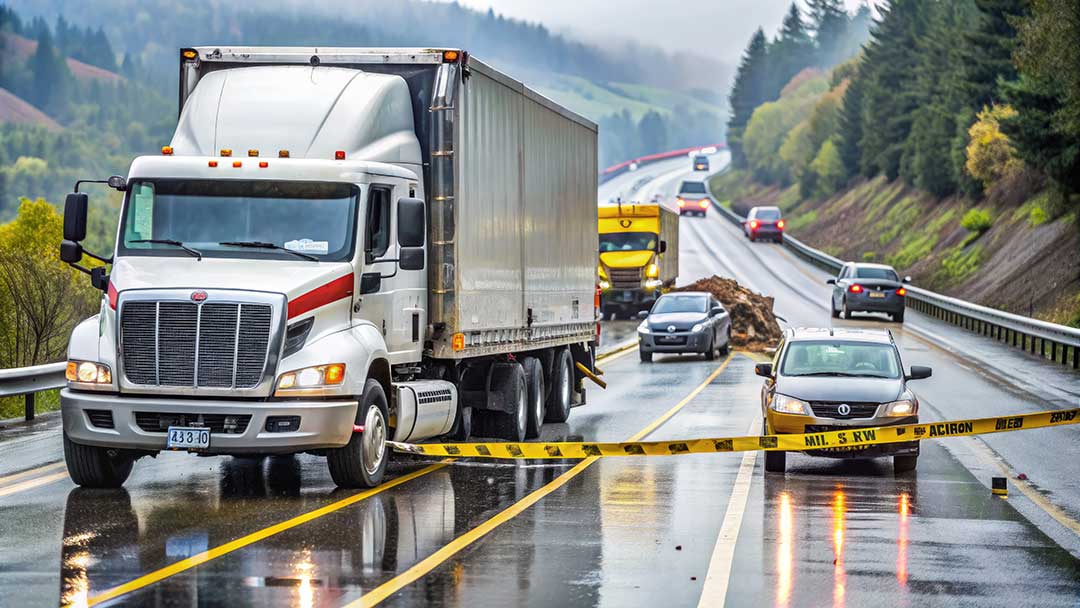
Common mistakes include:
- Guessing about how fast vehicles were traveling.
- Describing an injury as fully resolved before treatment is complete.
- Posting a detailed account on social media.
- Accepting a settlement before understanding ongoing medical expenses.
- Assuming the other driver’s insurance will handle every bill.
- Throwing away damaged clothing, equipment, or property.
Keep copies of claim numbers, letters, emails, repair records, medical bills, prescriptions, mileage, and notes about missed work. Written records are especially helpful when symptoms fluctuate or treatment extends over time.
Should someone post about the accident online?
It is usually wise to avoid discussing the incident publicly while a claim or dispute is developing. Social media posts, photographs, comments, check-ins, and private messages may be viewed out of context.
Avoid posting:
- Statements about who was at fault.
- Photos showing physical activity that may be misunderstood.
- Comments about pain, recovery, or the value of a claim.
- Arguments with another driver, employer, property owner, or insurer.
- Speculation about what witnesses or investigators will say.
Privacy settings do not guarantee that a post will remain private. The safest practice is to keep public discussion minimal and preserve relevant information privately.
What deadlines should Midland residents keep in mind?
Texas generally applies a two-year limitations period to many personal injury claims, but the correct deadline can vary. Different rules may apply to claims involving government entities, minors, wrongful death, workers’ compensation, defective products, or other special circumstances.
Waiting until the deadline is close can create problems. Witnesses may become difficult to locate, video may be overwritten, medical records may be harder to organize, and important notices may be missed. Anyone facing a serious injury, disputed liability, or a possible claim involving a public entity should obtain case-specific legal information promptly.
The deadline is only one concern. Insurance notice requirements, medical-payment procedures, employer reporting rules, and evidence preservation may require action much earlier.
What information should be preserved after an accident?
Create one organized file, whether digital or paper. Include the police or incident report, photographs, witness information, insurance correspondence, medical records, bills, work restrictions, pay information, repair estimates, and a personal symptom log.
A symptom log can record:
- Pain levels and affected areas.
- Medications and side effects.
- Appointments and recommended treatment.
- Missed work or household responsibilities.
- Driving, sleeping, lifting, or walking difficulties.
- Changes in mood, concentration, or daily routines.
Accurate records are more useful than dramatic descriptions. Do not alter photographs, delete messages, or discard documents that may help explain what happened.
Accidents are stressful, but careful decisions can reduce avoidable problems. Prioritize immediate safety, obtain appropriate medical attention, report serious incidents, preserve evidence, communicate honestly, and avoid making conclusions before the available facts are clear.